


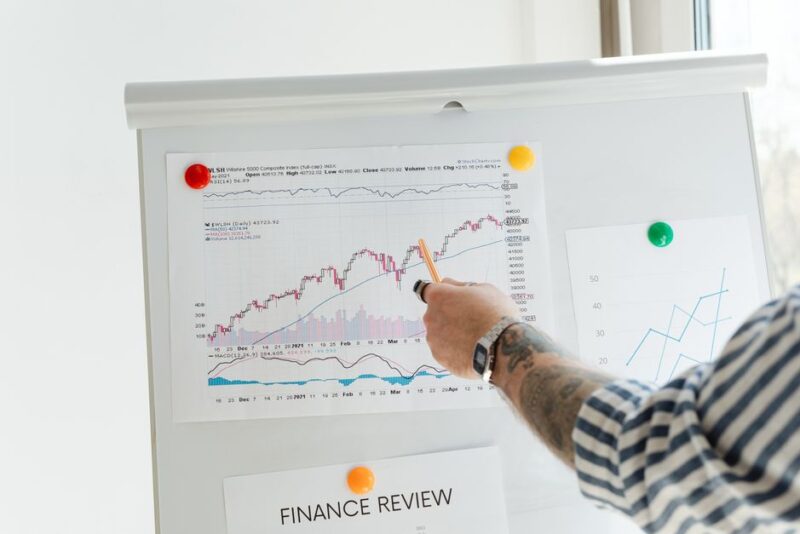
In the world of investing, timing can be everything. Smart investors understand that making informed decisions requires more than just following the latest trends or news headlines. They keep a close eye on subtle economic signals that often go unnoticed by the general public. These hidden indicators can provide valuable insights into market trends, consumer behavior, and potential investment opportunities. In this blog post, we will explore some of the most important economic signals that savvy investors monitor closely to stay ahead of the curve.
Understanding Economic Indicators
Economic indicators are statistics that provide information about the overall health of the economy. These indicators can be broadly categorized into three types: leading, lagging, and coincident indicators. Smart investors focus on leading indicators, as they tend to predict future economic activity. By analyzing these signals, investors can make educated predictions about market movements.
Leading Economic Indicators
Leading indicators are metrics that signal future economic activity. They often change before the economy starts to follow a particular pattern. Here are some key leading indicators that investors watch:
- Stock Market Performance: A rising stock market often suggests confidence in economic growth, while a decline may indicate a slowdown.
- Manufacturing Activity: Reports like the Purchasing Managers’ Index (PMI) provide insights into manufacturing health and future production levels.
- Consumer Confidence Index: High consumer confidence typically leads to increased spending, which can drive economic growth.
- Building Permits: An increase in building permits can indicate future construction activity and economic expansion.
The Importance of Consumer Behavior
Consumer behavior is another vital area that can signal economic trends. Smart investors pay attention to how consumers are spending their money, as it can indicate broader economic conditions. Changes in consumer behavior can be observed through various metrics, including retail sales data and e-commerce activity.
Key Consumer Behavior Indicators
Investors often analyze the following consumer behavior indicators:
- Retail Sales Data: Monthly retail sales figures can provide insights into consumer spending habits, which are crucial for economic growth.
- Credit Card Debt Levels: Rising debt levels may indicate consumers are spending beyond their means, potentially foreshadowing economic trouble.
- Online Shopping Trends: In the digital age, e-commerce sales growth can indicate shifts in consumer preferences and spending habits.
Monitoring Global Economic Trends
In an increasingly interconnected world, global economic trends can have significant impacts on local markets. Investors need to be aware of international economic signals that could influence their portfolios. Changes in foreign economies, trade agreements, and geopolitical events can all play a role in market performance.
Global Indicators to Watch
Here are some global economic signals that savvy investors keep their eyes on:
- Currency Exchange Rates: Fluctuations in currency values can affect export and import levels, impacting domestic companies.
- Global Supply Chain Issues: Disruptions in supply chains due to geopolitical tensions can lead to scarcity and price increases.
- Commodity Prices: Changes in the prices of essential commodities like oil and metals can signal shifts in global demand and economic health.
The Role of Interest Rates
Interest rates are a powerful economic signal that can influence both consumer spending and business investment. The central bank’s decisions on interest rates can have far-reaching implications for the economy and the stock market.
Interest Rate Indicators
Investors should pay attention to the following interest rate indicators:
- Federal Reserve Announcements: Comments and decisions from the Federal Reserve regarding interest rates can significantly impact market sentiment.
- Yield Curve: An inverted yield curve often signifies a recession, while a normal yield curve indicates economic growth.
- Mortgage Rates: Changes in mortgage rates can influence the housing market and consumer spending on big-ticket items.
Conclusion
While many investors react to market movements based on headlines and popular sentiment, the smartest investors dig deeper to uncover hidden economic signals. By monitoring leading economic indicators, consumer behavior, global trends, and interest rates, investors can position themselves advantageously. Understanding these signals not only helps in making informed investment decisions but also allows investors to anticipate market shifts before they become apparent to the broader public. In a world where information is abundant, the ability to discern valuable insights from noise is what sets intelligent investors apart from the rest.